micro lecture 2 expected utility
◮ U(g) is called expected utility function or von NeumannMorgenstern (vNM) utility function. ◮ u(ai) is called Bernoulli utility function. ◮ Compact statement: U(g) = E[u(g)] – so individual maximizes expectation of utility u(g). ◮ If outcome set A is commodity space X, then u(x) may be utility function from consumption theory. ◮ If outcome set A describes income levels y, then u(y) may be an indirect utility function.
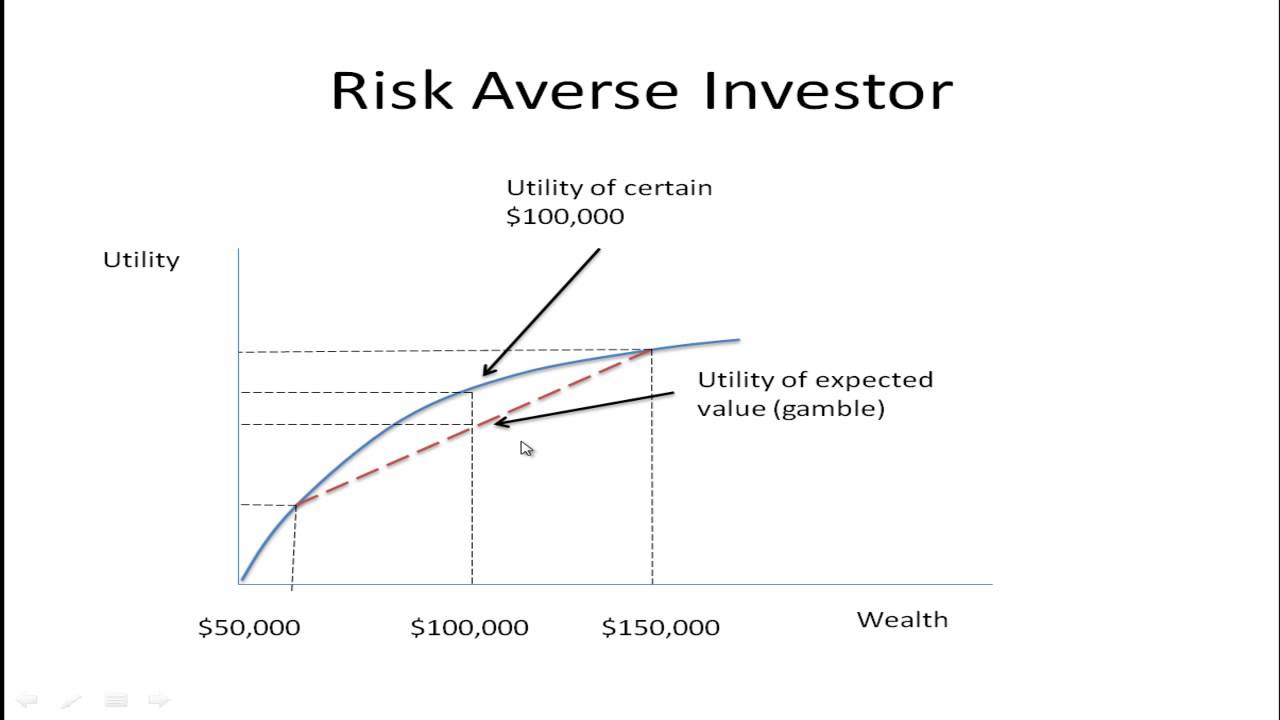
Expected Utility Okay, nice tool. . . . . . but what does it mean? Coming up: 1. Graphical depiction 2. Invariance result 3. Axiomatization
Meaning of the vNM-Theorem The use of expected utility as an objective function can be related directly to assumptions on the decision maker’s preferences. ◮ ‘⇒:’ if an individual has preferences which satisfy the vNM-axioms, then there exists a utility function over lotteries which possesses the expected-utility property. ◮ ‘⇐:’ Assuming an expected utility function implies that the decision maker’s preferences satisfy the axioms. Remark: vNM stressed the normative aspect: if you find the axioms plausible, then this is how you should behave.
Applications ◮ Expected utility allows us to ◮ find optimal decisions (normative), or ◮ predict decision makers’ behavior (positive). ◮ Many, many applications: ◮ Occupational choice: state servant or entrepreneur? ◮ Exam preparation: dare to leave gaps? ◮ Marriage decision: when to stop looking? ◮ Portfolio choice: stock or bonds? ◮ Insurance choice: extent of insurance coverage? ◮ Value of information: what should knowledge about the true state cost?

Comments
Post a Comment